Sessions & Speakers

Leading Practitioners & Industry Experts

Explore Our Tracks

Featured Conference Sessions

Discover our five thematic tracks that will shape the future of design thinking

Featured Session
CONFERENCE TRACK 29 Sep 2026

Explore Our Five Thematic Tracks

Hover over each card to explore the track details

Futures Foresight

Futures Foresight

Theme: From Prediction to Preparedness

In an era of deep uncertainty, relying on past data to predict the future is no longer sufficient. This track moves beyond simple forecasting to explore Strategic Foresight—a disciplined approach to identifying weak signals of change and creating alternative futures.

  • Beyond Forecasting: Understanding the difference between predicting a single probable future and preparing for multiple plausible futures (the "pluriverse").
  • Methodologies for Clarity: Workshops on Horizon Scanning, Causal Layered Analysis, and the Three Horizons Framework.
  • Speculative Design: Using design to create "props" and immersive scenarios from the future to test strategies today.
  • Anticipatory Governance: How governments and institutions can use foresight to build resilience against shocks like pandemics or climate change.
Design AI

Design AI

Theme: Human-Centered Intelligence

As we enter the "Intelligence Age," AI is reshaping the design process itself. This track examines the intersection of Human-Centered Design and Artificial Intelligence, focusing on how we can automate the routine to unleash the creative.

  • Human-Centered AI (HCAI): Shifting focus from replacing humans to augmenting human capabilities with reliable, safe, and trustworthy AI systems.
  • Generative Design & Automation: How AI tools automate complex layout generation, allowing designers to focus on high-level problem solving.
  • Trust & Transparency: Implementing UX principles like "Layered Transparency" and "Dynamic Consent" for algorithmic decisions.
  • The AI-Powered Workflow: Utilizing AI for user research analysis and prototype generation as a "creative intern."
Social Impact

Social Impact

Theme: Designing for Good in Complex Systems

Aligned with GDTA's mission of "Design Thinking for Good," this track tackles "Wicked Problems"— challenges with conflicting values and confusing information. We focus on moving from good intentions to measurable, systemic change.

  • Theory of Change: Moving beyond "impact washing" by rigorously mapping how specific activities lead to sustained long-term community changes.
  • Systems Thinking: Understanding social impact as a network of relationships connecting individual efforts to larger ecosystems.
  • Rigorous Evaluation: Establishing high standards for "AI for Social Good" projects, ensuring they are deployed and effective.
  • Inclusive Innovation: Case studies on frugal innovation and "Jugaad" driving breakthrough social solutions.
Education Transformation

Education Transformation

Theme: Nurturing Resilient Lifelong Learners

With the backdrop of India's National Education Policy (NEP) 2020, this track explores how education must evolve to prepare students for a multidisciplinary, AI-driven world.

  • Holistic & Multidisciplinary Learning: Breaking down silos between arts, sciences, and vocational skills to create well-rounded critical thinkers.
  • AI Literacy & Ethics: Integrating AI education as foundational literacy for all, focusing on ethical implications and responsible technology use.
  • Lifelong Learning: Shifting education from one-time degrees to continuous upskilling and reskilling for digital transformation.
  • EdTech Privacy & Security: Addressing technology acquisition hurdles while protecting student data privacy in the surveillance era.
Industry Innovation

Industry Innovation

Theme: The Industrial Metaverse & The Digital Twin

Leveraging our partnership with Siemens, this track focuses on the convergence of digital and physical worlds. We explore how "Industry 4.0" and emerging "Industry 5.0" are creating smarter, more sustainable production systems.

  • The Executable Digital Twin: How virtual models of physical assets allow us to simulate, predict, and optimize performance before building.
  • Siemens Xcelerator & Open Ecosystems: The shift from closed systems to open digital business platforms accelerating transformation through collaboration.
  • Disruptive Innovation: How technologies like 3D printing and IoT enable smaller, more affordable solutions to challenge established markets.
  • Sustainable Industry (DEGREE Framework): Digital tools like blockchain and sensors driving decarbonization and supply chain transparency.
Our Speakers

Global Innovators & Design Thinkers

 Nalin
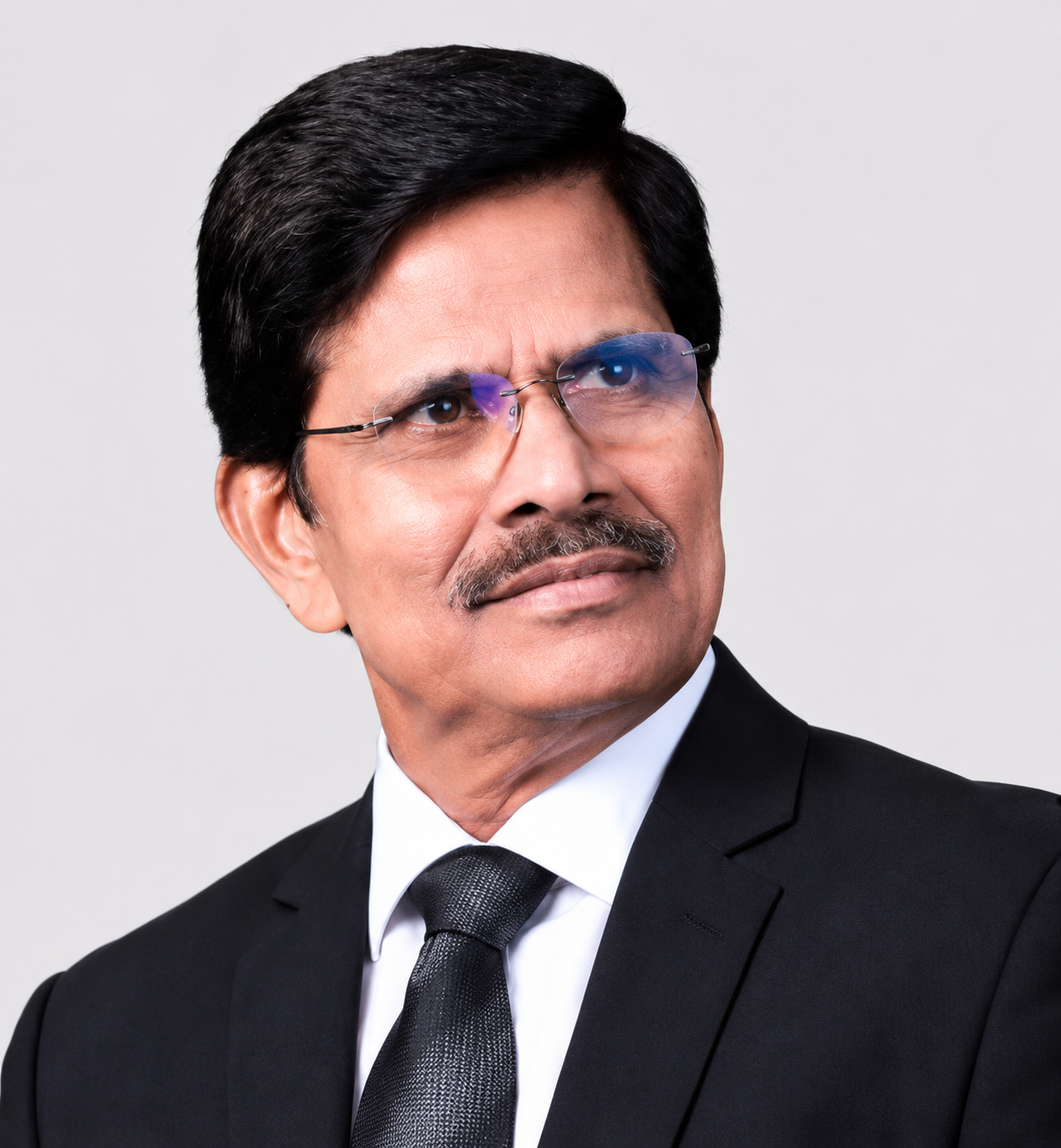
Dr. Nalin SNS

SECRETARY / TRUSTEE
SNS Group

India

Uli Weinberg
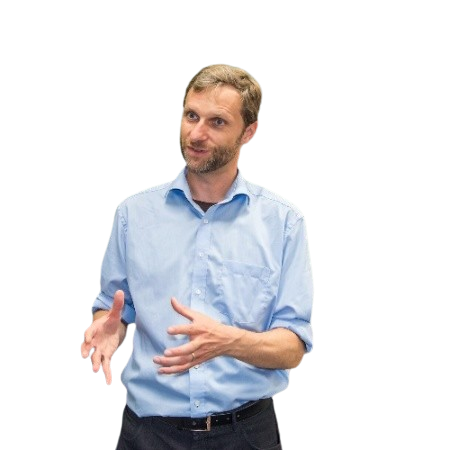
Prof. Uli Weinberg

President /
Co Founder Global Design Thinking Alliance

Germany

Maria Stashenko
Maria Stashenko

Director

Kazakhstan

Michael Lewrick
Michael Lewrick

CEO

Switzerland

Richard Perez
Richard Perez

Director

South Africa

André Bresges
André Bresges

Ambassador

Germany

Agnes Kwek
Agnes Kwek

Faculty

Singapore

Linlin Shui
Linlin Shui

Head of d.school

China

Ramesh Ramanujam
Ramesh Ramanujam

Engineering Center Head

Coimbatore

Anirban Bhattacharya

Founder

Bengaluru

Sreedevi Hegde
Sreedevi Hegde

India GCC Head

Bengaluru

Revathi Kant
Revathi Kant

Chief Design Officer

Bengaluru

Can Guvenir
Can Guvenir

Design & Research Center Manager

Türkiye

Ricardo Ruffo
Ricardo Ruffo

CEO & Founder

Brazil

Rajat Pandit
Rajat Pandit

Head of AI Infrastructure

Singapore

Carolin Taenzer
Carolin Taenzer

Managing Director

Germany

Flavia Bleuel
Flavia Bleuel

Head of Professional Development, HPI d-school

Germany

Tebogo Chaka
Tebogo Chaka

Design Thinking Programme Lead, Personal Development Coach, Facilitator

South Africa